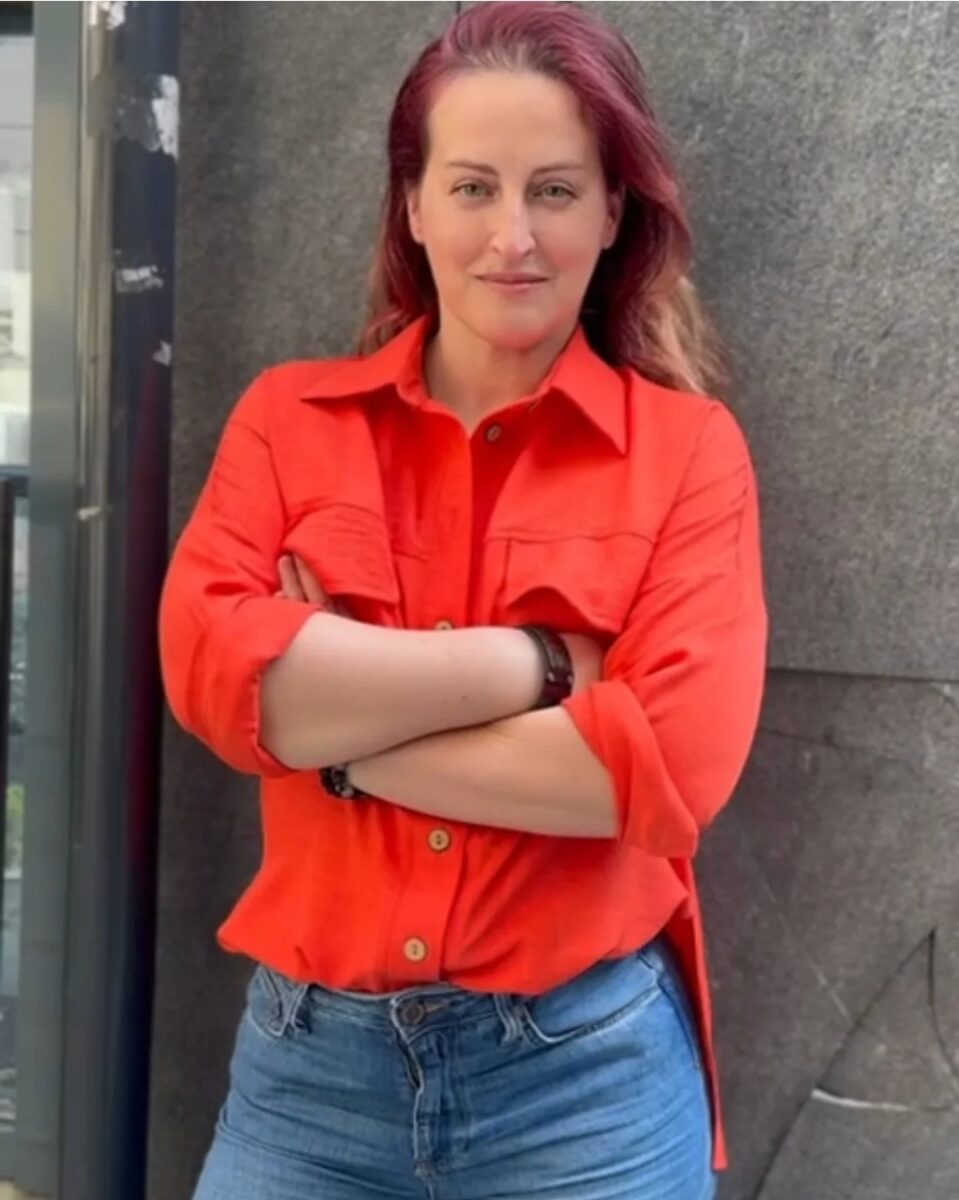
Anna Zhyrnova: My Path as a Technical Writer in Kyiv
02.03.2026 | STVY | Blogi
Hi, I’m Anna Zhyrnova, a technical writer based in Kyiv, Ukraine, and I’ve spent the last 18
years turning complex systems into documentation that people can actually use. I didn’t plan
this career from the start – technical writing found me (almost by accident), and over time it
became the perfect place for my curiosity, my engineering mindset, and my love of helping
others succeed.
How I got here
My formal education is not in “Technical Writing,” because in Ukraine we generally don’t have
dedicated technical writing certificates or degree programs. I studied at Kyiv Polytechnic
Institute, earning degrees in Electronics and later in Computing.
My first technical writing job was at a small Ukrainian company building systems for a
government agency. I learned what a technical writer truly does after I started. I want to say one
thing: this work is never boring. Every project has its own logic and terminology, and your job is
to understand it all and (this part is more important than just understanding) explain it clearly.
What my background taught me about documentation
An engineering education changes how you approach documentation. It trains you to ask “How
does this work?” and “What happens if…?” before you ever write a sentence. Over time, I
worked across both government and commercial environments, creating documentation for
different audiences: internal teams and external customers.
In my experience, one of the most practical skills in technical communication is knowing how
much documentation is enough. Not every user needs a 200-page guide. Sometimes they
only need the exact piece that helps them complete a task today. I’ve often split documentation
into focused sections so users can find what they need quickly, especially when software has
many modules or roles.
My toolset has changed with each company’s process, because documentation is always
shaped by the ecosystem around it. I’ve worked with Confluence, Google Docs, Markdown,
Doc-to-Help, WordPress, RoboHelp, and collaboration tools like Jira (plus plenty of
screenshot and capture tools).
Technical writing outside of Ukraine
Technical communication feels different depending on where you practice it. Even when teams
use similar tools, each country (and sometimes each company) has its own habits: how strict
reviews are, how much emphasis is placed on standards, and whether documentation is treated
as a strategic product asset.
I’ve noticed that in some places, technical writing is more structured and “institutional.” For
example, when I attended Write the Docs in Portland, I felt how mature and methodical the
discipline can be: stronger shared language around information architecture, style consistency,
and user-centered thinking. Germany’s tekom conference is another example of a large,
established community that supports technical communication at scale. In contrast, Ukraine’s
technical writing community is still small and scattered. More like small circles of peers than a
visible professional network.
Locally, we don’t have a big technical communication community in Ukraine. mostly just small
groups (for example, a modest Telegram channel where people exchange tips). That’s why
global communities matter so much. Conferences and online groups give you something
invaluable: vocabulary for what you already do, plus new methods you didn’t know you needed.
Something outside of technical writing
I also participate in tech communities beyond documentation. I’m a member of the Rocky Linux
community, where I help edit and translate source documentation into Ukrainian. That
open-source collaboration has been a great reminder that documentation isn’t only “supporting
material”.
Technical Writing in one sentence
If I had to describe technical writing in one sentence, it would be this: it’s the craft of
understanding deeply and explaining generously. And whether I’m documenting internal
tools, customer workflows, or open-source projects, my goal stays the same: help users feel
confident, capable, and informed wherever they are in the world.